The Medicine-Cabinet Shortlist: Indian First-Aid Buys That Make Sense After Customs
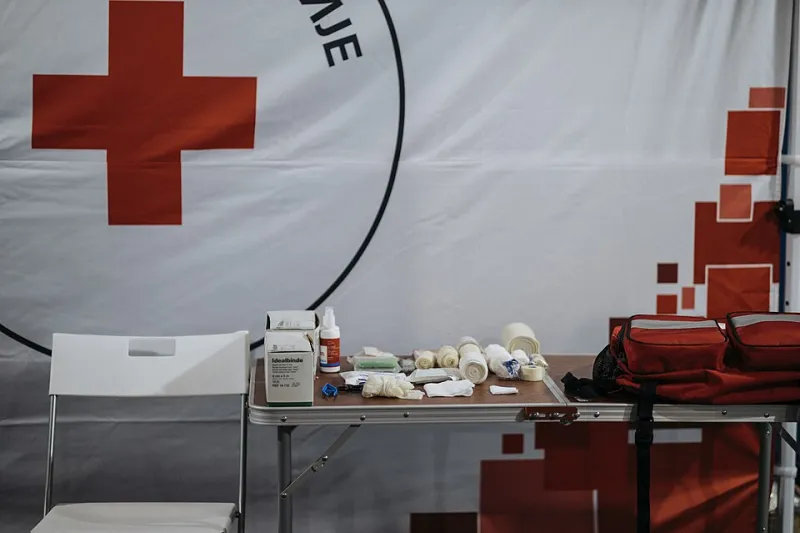
Photo: Shixart1985, CC BY 2.0, via Wikimedia Commons
Cheap pills are not the point
The obvious Indian pharmacy bargain is the medicine. The obvious problem is that medicines are exactly what you should not casually import. US customs and the FDA have rules about foreign drugs, and a low unit price does not override them. The smarter play is to focus on non-drug first-aid supplies and personal-care staples where the savings survive shipping and the regulatory risk stays low.
At CheapestIndia, we compare unit prices, not just cart totals. A box of 100 bandages at $4 sounds great until you add $15 shipping. A $2 tube of antiseptic cream sounds even better until you remember that it is still a drug and may not be legal to import. The shortlist below is deliberately boring. Boring is what keeps a medicine cabinet useful.
The regulatory reality in plain English
Foreign pharmacies are not US pharmacies. The FDA does not regulate them, and US law generally does not allow Americans to import unapproved prescription drugs for personal use without meeting specific conditions. Controlled substances, antibiotics, injectables, and prescription-only products are a hard no for casual online ordering. Even common over-the-counter drugs can be seized if the package does not comply with US rules.
This is not legal advice. It is a warning to read the current FDA personal import policy and the US Customs rules before you order anything ingestible. If a seller promises to ship prescription medicine without a US prescription, close the tab. If the listing hides the active ingredient, close the tab. If the price is so low that it looks like a mistake, it probably is.
Smart stock-up items
Adhesive bandages are the classic example. Indian marketplaces sell assorted sizes and shapes at low unit prices, and they are light enough to ship economically. Gauze pads, rolled gauze, medical tape, elastic compression bandages, and cotton balls are also reasonable if you buy modest quantities. These are supplies, not drugs, and the savings can be real when you compare cost per piece.
Blister plasters, heat packs, cold packs, and small first-aid pouches are worth a look. Menstrual pads and panty liners are another category where Indian unit prices can beat US drugstore prices, especially for larger packs. Toothbrushes, soap, shampoo, and cotton swabs are personal-care staples that ship well and do not require a pharmacist.
Oral rehydration salts are a borderline case. They are cheap in India and useful to have during heat waves or stomach bugs. But they are still an ingestible product, and the label may not match US expectations. If you buy them, treat them as a food-style emergency supply, check the expiration date, and do not rely on them for a medical condition.
The unit-price math
Ignore the pack price and calculate cost per bandage, per gauze pad, per pad, or per ounce. Then add shipping and divide by the number of useful units. A 100-count box of bandages that costs $6 delivered is 6 cents per bandage. A US drugstore house brand at $4 for 40 is 10 cents per bandage. That is a real gap. A 300-count box that expires before you use it is not a bargain.
Do not stockpile sizes you never use. Do not buy giant gauze rolls if you only need small pads. Do not assume that Indian packaging is smaller or larger than US packaging. Check the count, the dimensions, and the expiration date. Shipping heat can degrade adhesive and sterile packaging, so avoid long transit times in summer.
Buy locally instead
Buy all oral medicines locally. That includes pain relievers, allergy pills, antacids, cough syrups, and anything with an active drug ingredient. Buy antibiotics locally, and only with a US prescription. Buy prescription creams, eye drops, and inhalers locally. Buy sunscreen locally, because the FDA regulates it as a drug and the formulation rules are different.
Buy contact lens solution, glucose test strips, syringes, and sterile injectables locally. Buy infant formula and medical foods locally. Buy vitamins and supplements locally if you need guaranteed labeling and potency. The Indian generic aisle can look tempting, but the US pharmacy counter is the right place for anything you swallow, inject, or put in your eye.
Shipping, customs, and storage
Order personal-use quantities. A medicine cabinet is not a warehouse. Customs officers can open packages, and a commercial-looking quantity can trigger questions. Keep the invoice. Check whether the seller ships directly or through a forwarder. Direct shipping is simpler, but it is not always cheaper.
Store first-aid supplies in a cool, dry place. Heat can melt adhesive and warp sterile packaging. Replace expired items. Do not transfer bandages or gauze into unlabeled containers. Keep the original packaging so you can check the lot number and instructions. If a product arrives with a broken seal, do not use it.
The bottom line
The Indian first-aid bargain is real for supplies, not for pills. Stock up on bandages, gauze, tape, personal-care basics, and menstrual products if the delivered unit price beats your local store. Leave the medicines, antibiotics, injectables, and prescription products to the US pharmacy. A cheap medicine cabinet is only smart if everything in it is safe, legal, and still within date.