Skipping the Middleman: How Indian D2C Brands Are Putting Thousands Back in American Wallets
Let's be honest — nobody loves paying $180 for a set of linen sheets or $65 for a bottle of turmeric supplements. But for years, American consumers just kind of accepted those prices as the cost of doing business with the brands they trusted. That's starting to change, fast.
A quietly growing segment of US shoppers is going a completely different route. Instead of clicking "Add to Cart" on Amazon or rolling a cart through Walmart, they're buying straight from Indian direct-to-consumer (D2C) brands online — and they're saving serious money in the process. We're talking hundreds, sometimes thousands of dollars a year, depending on how much you spend on home goods, wellness products, and apparel.
So what's actually going on here, and why is this shift accelerating right now?
The Supply Chain Math That Makes It All Possible
To understand why Indian D2C brands can charge so much less, you have to zoom out and look at how traditional Western retail pricing actually works. When you buy a product from a big-box retailer, you're not just paying for the item itself. You're covering the manufacturer's margin, the importer's cut, the distributor's fee, the retailer's markup, and the cost of that retailer's massive physical footprint — stores, staff, logistics, all of it.
By the time that $12 block-printed cotton pillowcase gets a "Made for the American Market" label slapped on it and lands on a Target shelf, it might retail for $45 or more.
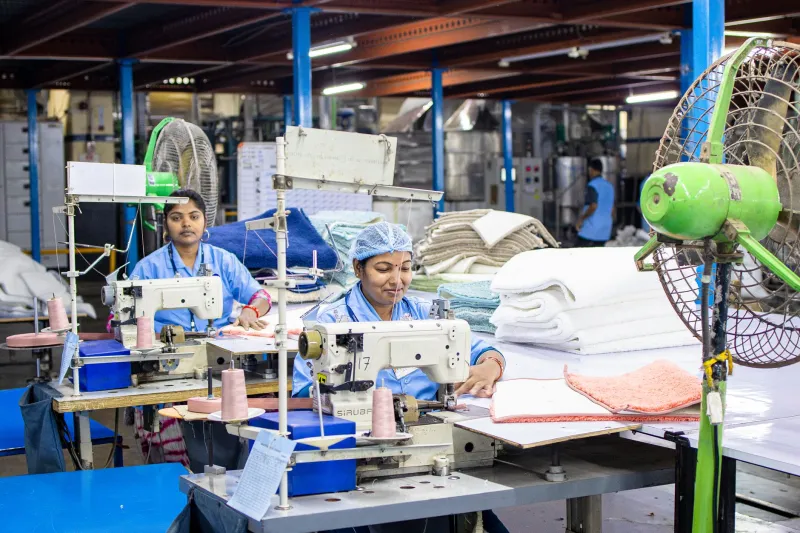
Indian D2C brands cut almost all of that out. They manufacture in-house or work directly with artisan clusters and small factories — many of which have been producing textiles, ceramics, and wellness goods for generations. They sell through their own websites or platforms like CheapestIndia, ship internationally, and pass the savings straight to the buyer. No importer. No distributor. No retail markup. The math is brutally simple, and it works in the consumer's favor.
Real Numbers, Real Categories
Let's get specific, because vague claims about "savings" don't mean much without context.
Home Goods: Indian brands specializing in block-print bedding, handwoven throws, and brass home décor are routinely priced 40 to 55 percent below comparable items from West Elm or Anthropologie. A full queen-size cotton duvet set that might run $220 at a US lifestyle retailer can be found for $90 to $110 directly from an Indian manufacturer — same materials, often the same artisan techniques, sometimes literally the same factory.
Wellness and Supplements: The Ayurvedic wellness space has exploded in the US over the last few years, with brands like Ashwagandha capsules, triphala powders, and herbal hair oils flying off virtual shelves. American wellness brands have caught on and started marketing these ingredients heavily — at a significant premium. Indian D2C wellness companies that have been formulating these products for decades are selling them at 30 to 45 percent less, often with higher concentrations of active ingredients.
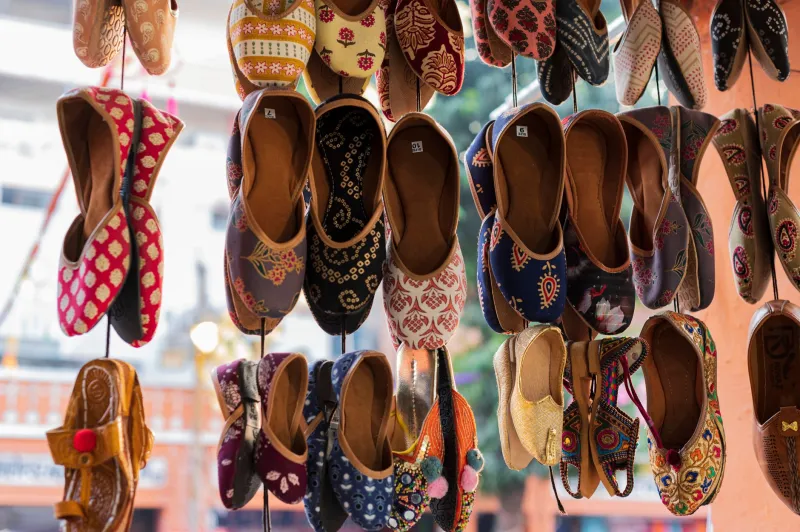
Fashion and Apparel: Handcrafted kurtas, sustainable cotton basics, and embroidered occasion wear represent some of the steepest savings. Comparable embroidered pieces that retail for $150 to $300 at boutique US stores can be purchased directly for $50 to $90. For shoppers who regularly buy ethnic or fusion fashion, the annual savings can genuinely reach into the thousands.
Why Indian Brands Are Going Digital-First
There's a strategic reason Indian D2C companies are betting big on direct online sales to international customers, and it's not just about cutting out the middleman. India's own domestic e-commerce market has exploded over the last decade, and the brands that survived and thrived in that intensely competitive environment got very, very good at digital marketing, customer experience, and logistics.
Many of these companies invested early in English-language websites, smooth international checkout flows, and responsive customer service — partly because they were always eyeing global expansion. Now, with international shipping infrastructure improving and payment options becoming more seamless, the friction of buying from an Indian brand has dropped dramatically.
For US consumers, the experience of ordering from a well-run Indian D2C brand today isn't dramatically different from ordering off any other e-commerce site. Most offer tracking, reasonable return windows, and customer support that actually responds.
The "But Is the Quality Actually Good?" Question
Fair question, and it deserves a straight answer: yes, often genuinely yes — and sometimes better.
India has centuries of manufacturing heritage in textiles, metalwork, ceramics, and herbal medicine. The artisan traditions that underpin a lot of these D2C products aren't a marketing gimmick; they're real skills passed down through generations of craftspeople. When an Indian bedding brand says their fabric is hand-loomed in Jaipur or their pottery is fired in Khurja, that's typically accurate — and it's a level of craft that Western brands pay a serious premium to replicate or license.
That said, quality varies across brands, just like it does anywhere. The smart approach is to use comparison platforms, read reviews from other international buyers, and start with a smaller purchase to test a brand before going all in. Think of it the way you'd approach any new-to-you online retailer.
Who's Actually Making the Switch?
The early adopters of Indian D2C shopping in the US were largely members of the Indian-American diaspora — shoppers who already knew these brands, trusted the quality, and were happy to save money on products they'd grown up with. But that demographic is expanding.
Interior design enthusiasts hunting for unique home goods at non-boutique prices. Wellness-focused consumers who want the real thing rather than an American brand's watered-down interpretation of Ayurvedic ingredients. Sustainable fashion shoppers who want handcrafted pieces without the "conscious luxury" markup. These groups are discovering Indian D2C brands in growing numbers, largely through social media, word of mouth, and price comparison tools.
How to Start Saving
If you're curious about dipping your toes in, here's a practical starting point:
- Identify a category where you regularly spend money — bedding, supplements, clothing, kitchenware — and look up Indian D2C brands in that space.
- Use a price comparison platform (hi, that's us) to see how Indian brands stack up against what you're currently paying.
- Check shipping times and policies before committing. Many Indian brands ship to the US within 7 to 14 days, which is totally workable for non-urgent purchases.
- Start small. Order one item, evaluate the quality and the experience, then scale up if you're happy.
The brands doing this well aren't cutting corners — they're cutting costs that were always artificial to begin with. And for American consumers who've spent years overpaying for the privilege of a familiar logo, that's a pretty compelling proposition.
The middleman had a good run. But it looks like his time might be up.