Indian Brands You've Never Heard Of Are Selling You the Same Quality for Half the Price
Let's be honest — most American shoppers have never heard of Mamaearth, boAt, or Pee Safe. But that's starting to change, and fast. A new generation of Indian direct-to-consumer (D2C) brands is making serious inroads into the US market, offering products that go toe-to-toe with Western names you've trusted for years — except the price tags are nowhere near as painful.
We're talking 40 to 60 percent cheaper, in many cases. Not because the quality is lower. Because the supply chain is smarter.
Why Indian D2C Brands Can Afford to Charge Less
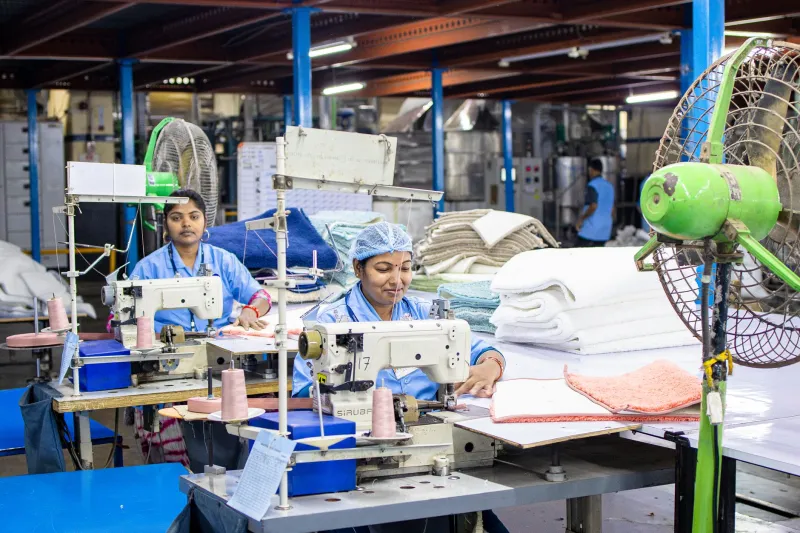
Here's the thing about traditional retail: by the time a product gets from a factory to your front door, it's passed through a brand's hands, a distributor, a wholesaler, and a retailer — each one adding a markup. Indian D2C brands have largely skipped that entire chain. They manufacture (often in-house or with tightly controlled local partners), sell through their own websites and select global marketplaces, and ship directly to the customer.
Add to that India's significantly lower manufacturing labor costs, government export incentives, and a domestic market that's trained these brands to compete ruthlessly on price — and you've got a recipe for deals that American consumers are just starting to wake up to.
The Brands Worth Knowing About Right Now
1. boAt — Audio Gear Without the Audiophile Tax
If you've ever spent $150 on a pair of wireless earbuds and wondered whether you were paying for the product or the logo, boAt is your answer. India's leading audio accessories brand offers Bluetooth earbuds, headphones, and speakers that consistently pull strong reviews — and most of their lineup comes in well under $50 when ordered directly. Their Airdopes series, in particular, has become a cult favorite among budget-conscious listeners who refuse to compromise on sound quality.
2. Mamaearth — Skincare That Skips the Department Store Markup
Mamaearth built its name in India by going toxin-free before it was trendy, and their plant-based skincare line has quietly developed a following among US shoppers who discovered it through expat communities and Indian grocery platforms. A face wash that would retail for $22 at a US beauty chain? Often under $10 direct. Their onion hair oil, turmeric face wash, and vitamin C serums are particularly popular — and the ingredient lists hold up to scrutiny.
3. Noise — Smartwatches That Don't Cost a Week's Groceries
Noise (yes, that's really the brand name) has become one of India's top-selling smartwatch brands, and it's not hard to see why when you look at the price-to-feature ratio. Models with heart rate monitoring, SpO2 tracking, sleep analysis, and customizable watch faces regularly retail for $30–$50 direct. Compare that to comparable feature sets on Fitbit or Garmin, and you'll feel a little cheated by what you've been paying.
4. Pee Safe — Hygiene Products With a Purpose
This one surprised us too. Pee Safe started as a toilet seat sanitizer spray (yes, really) and has grown into a full personal hygiene brand covering everything from biodegradable menstrual cups to organic cotton products. Their pricing is dramatically lower than US organic hygiene brands, and their sustainability credentials are legitimate. American consumers paying premium prices for eco-conscious period products are leaving serious money on the table here.
5. Bombay Shaving Company — Men's Grooming Without the Subscription Trap
Subscription shaving clubs dominated the US market for a while, but Bombay Shaving Company is offering something different: high-quality razors, shaving creams, and beard care products sold at honest one-time prices. Their activated charcoal face wash and post-shave balm have developed a real following, and the pricing — typically 30 to 50 percent below comparable US grooming brands — makes restocking a genuinely pleasant experience.
6. Plum Goodness — Vegan Beauty That Actually Delivers
Plum is 100% vegan, cruelty-free, and formulated without parabens or sulfates. In the US, that combination usually means you're paying a significant premium. Plum has built its entire identity around accessible ethical beauty, and their direct pricing reflects that. Their green tea range for oily skin and their grape seed brightening serum have strong followings among Indian-American communities — and they're increasingly catching on with mainstream US shoppers who stumble across them on Amazon India-adjacent platforms.
7. Portronics — Tech Accessories That Get the Job Done
Portronics sits in the sweet spot between generic no-name tech accessories and overpriced branded ones. USB hubs, wireless chargers, Bluetooth speakers, laptop stands — their catalog covers the everyday tech accessories that most of us replace every couple of years anyway. Why pay $45 for a branded USB-C hub when a Portronics equivalent with solid reviews runs $18 direct? It's a question more US shoppers should be asking.
So Why Hasn't This Gone Mainstream in the US Yet?
Fair question. A few reasons, honestly.
First, brand familiarity is a powerful thing. American consumers have been conditioned to trust certain names, and building that trust across an ocean takes time. Second, a lot of these brands initially focused on cracking the Indian domestic market before thinking globally — they're still relatively early in their international push. Third, discovery is a real barrier. If you're not plugged into Indian expat communities, diaspora Facebook groups, or niche deal forums, you might never encounter these brands organically.
That's starting to shift. Indian D2C brands are getting smarter about international SEO, expanding their presence on global Amazon storefronts, and investing in English-language content marketing aimed squarely at US audiences.
How to Actually Buy These Products in the US
Some of these brands ship internationally directly from their own websites — worth checking first, since you'll often get the best price there. Others have established seller presences on Amazon.com or Amazon.in (which does ship select categories to the US). Platforms like Desicart and iShopIndian also specialize in bridging Indian brands to the North American market.
Shipping times vary — typically 7 to 21 days for direct international orders — so plan ahead if you're not in a rush. For many of these products, the wait is absolutely worth the savings.
The Bottom Line
The American retail landscape has spent decades convincing shoppers that paying more is the same as getting more. Indian D2C brands are calling that bluff. With genuine quality, transparent ingredient lists, and prices that reflect manufacturing reality rather than marketing budgets, they represent one of the most underutilized savings opportunities available to US consumers right now.
The brands profiled here aren't obscure knockoffs. They're legitimate, often publicly traded or venture-backed companies with millions of loyal customers. They just happen to be on the other side of the world — and increasingly, they're ready to ship to yours.