Desi Beauty Secrets Are Going Global — And Your Wallet Will Thank You
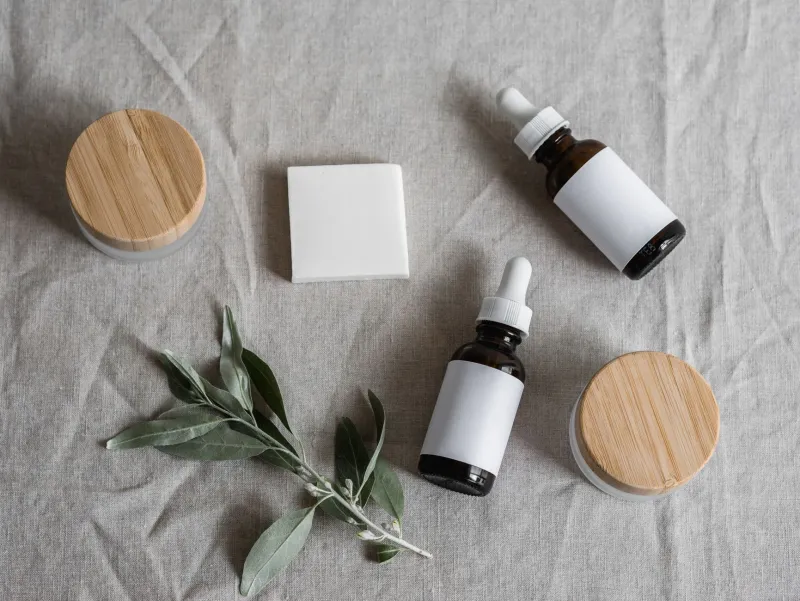
Let's be honest — the American beauty aisle has gotten out of hand. A basic moisturizer from a trendy skincare brand can run you $65. A "clean" shampoo from a wellness startup? Easily $38 for a bottle that lasts three weeks. And don't even get started on serums. At some point, you have to ask: what exactly are you paying for?
A growing number of US consumers are asking exactly that — and finding their answers in India.
Indian beauty and personal care brands have been quietly building a reputation among savvy American shoppers who've discovered something the mainstream beauty industry doesn't want you to know: you can get the same quality ingredients, sometimes even better formulations, for 60 to 70 percent less than what the big-name brands charge. And it's not just about being cheap. It's about being smart.
The Ingredient Story Nobody's Telling You
Here's the thing about Indian beauty brands — many of them have been doing "clean beauty" since before it was a marketing trend. Ayurvedic formulations that incorporate turmeric, neem, ashwagandha, and sandalwood have existed for centuries. Brands like Forest Essentials, Biotique, Himalaya, and Mamaearth didn't pivot to natural ingredients because a focus group told them to. It's literally how they were built.
Take neem, for example. It's a staple in Indian skincare for its antibacterial and anti-inflammatory properties. In the US, you'll find a neem-based face wash at a specialty wellness store for around $22 to $28. The Indian equivalent — often with a higher concentration of actual neem extract — runs closer to $5 to $8 when ordered through Indian e-commerce platforms.
The same pattern plays out across categories. Kumkumadi oil, a traditional Ayurvedic facial treatment loaded with saffron and sandalwood, retails at luxury Western brands for upwards of $90. Authentic Indian versions from established brands cost $12 to $20 and often contain more of the actual active ingredients.
Haircare: Where the Price Gap Is Most Dramatic
If there's one beauty category where Indian brands absolutely dominate on value, it's hair. American consumers spend an average of $300+ per year on shampoos, conditioners, and treatments — much of it on products loaded with sulfates and silicones that are dressed up with "botanical" marketing language.
Indian herbal shampoos and hair oils tell a completely different story. Brands like Kesh King, Indulekha, and Vatika have formulations built around amla (Indian gooseberry), bhringraj, and coconut extracts that have genuine roots in traditional hair care. These aren't gimmicks — they're ingredients that have been used for hair health across South Asia for generations.
US shoppers who've made the switch regularly report noticeable improvements in scalp health and hair texture within a few weeks. And the cost? A full-sized bottle of Indulekha Bringha Shampoo, which has a near-cult following among people dealing with hair thinning, costs around $7 to $10. Compare that to the $30 to $45 you'd spend on a "hair growth" shampoo from a premium American brand.
Hair oils are an even bigger deal. Coconut oil from an Indian grocery brand costs a fraction of what Sephora charges for a "hair mask" that lists coconut oil as its third ingredient.
Real Shoppers, Real Savings
The shift isn't just anecdotal. Across Reddit threads, YouTube channels, and beauty forums, American consumers are openly sharing their transitions to Indian beauty brands.
One shopper from Austin described spending $180 a month on her previous skincare routine — a mix of mid-range and premium US brands. After switching to a combination of Biotique and Mamaearth products sourced through Indian e-commerce platforms, she brought that number down to under $45. "My skin looks the same, maybe better," she wrote in a popular skincare forum. "I honestly feel like I was just paying for packaging before."
Another consumer from New Jersey who'd struggled with hyperpigmentation for years shared that a turmeric and licorice root cream from an Indian brand cleared her skin more effectively than two different $55 products she'd tried previously. The Indian cream cost $9.
These aren't isolated stories. They're part of a growing pattern of American consumers discovering that the premium beauty market has been charging for brand equity — not ingredient quality.
Natural Makeup Without the Natural Markup
It's not just skincare and haircare. Indian cosmetics brands are making headway in the makeup category too. Brands like Colorbar, Lotus Herbals, and Lakmé (yes, the same Lakmé that's been a household name in India for decades) offer everything from foundations to kajal eyeliners with formulations that skip the harsh synthetics common in drugstore brands.
Kajal, in particular, has become a gateway product for many American consumers curious about Indian beauty. Traditional kajal is made with natural ingredients and has been used as eye makeup in South Asia for centuries. The Indian branded versions cost $3 to $6 and outperform plenty of $20 eyeliners in terms of longevity and pigmentation.
Lotus Herbals and Colorbar foundations and BB creams are similarly competitive — retailing in the $8 to $18 range while using fewer synthetic fillers than comparable US drugstore or mid-range options.
How to Actually Shop Indian Beauty in the US
The biggest barrier for most American shoppers has historically been access. Indian beauty brands weren't always easy to find outside of South Asian grocery stores or specialty shops in major cities. That's changed significantly.
Several Indian e-commerce platforms now ship directly to the US, and comparison shopping tools make it easy to spot the best prices across sellers. A few tips if you're just getting started:
- Start with the classics. Himalaya, Biotique, and Mamaearth are widely available and well-reviewed. They're a low-risk entry point.
- Check ingredient lists, not just marketing copy. One of the real advantages of Indian brands is transparency around traditional ingredients. Look for products where the hero ingredient (neem, turmeric, amla, etc.) appears near the top of the list.
- Factor in size. Indian beauty products often come in larger sizes than their US counterparts at the same or lower price points. The per-ounce value is frequently extraordinary.
- Read cross-market reviews. Indian beauty forums and YouTube channels have incredibly detailed product reviews. The US beauty community is starting to catch up, but the Indian community has been evaluating these products for years.
The Bottom Line
The American premium beauty market has thrived on the assumption that higher prices signal better quality. Indian beauty brands are dismantling that assumption one affordable serum at a time. When you can get a turmeric face wash with genuine active ingredients for $6, or a hair oil with real amla and bhringraj for $8, spending $40 on a "botanical" product from a trendy US brand starts to feel less like self-care and more like a habit worth breaking.
At CheapestIndia, we're all about finding the places where value and quality actually meet. Indian beauty might just be the most underrated intersection of both — and the US market is finally catching on.