Why Smart American Families Are Ditching Costco for Indian Wholesale Platforms — and Saving $2,000 a Year
Let's be honest — Costco feels like a great deal until you actually do the math. Yes, the $1.50 hot dog is iconic. But when you're dropping $300 on a Sunday afternoon and hauling home a pallet of paper towels you'll trip over for six months, "savings" starts to feel like a relative term.
A growing number of American households are discovering something that feels almost too good to be true: Indian wholesale and B2B platforms are increasingly accessible to international buyers, and the prices they're offering make bulk shopping in the US look laughably overpriced. We're talking about platforms like IndiaMART, Udaan, and 1mg — marketplaces that were originally built for Indian businesses but are now quietly serving savvy US consumers who know where to look.
So how does it actually work, and is the savings worth the extra legwork? Let's dig in.
The Platforms You Need to Know
If you've never heard of IndiaMART, think of it as a massive B2B marketplace where manufacturers, wholesalers, and distributors list products in bulk quantities across virtually every category imaginable — spices, textiles, supplements, kitchenware, personal care products, and way more. It's been around since 1999 and is one of India's largest online B2B platforms.
Udaan is a newer player that started as a trade platform connecting small Indian retailers with manufacturers. It's expanded significantly and has become a go-to for bulk buyers who want consistent quality with structured pricing.
1mg, while primarily known as a pharmacy and health platform in India, has a wholesale-adjacent component that makes it relevant for families buying vitamins, supplements, and wellness products in larger quantities.
None of these are household names in the US — yet. But that's kind of the point.
Where the Real Savings Are Hiding
Not every product category is worth the effort of international bulk ordering. But there are a handful of areas where the price difference is so significant that it genuinely changes the math for American families.
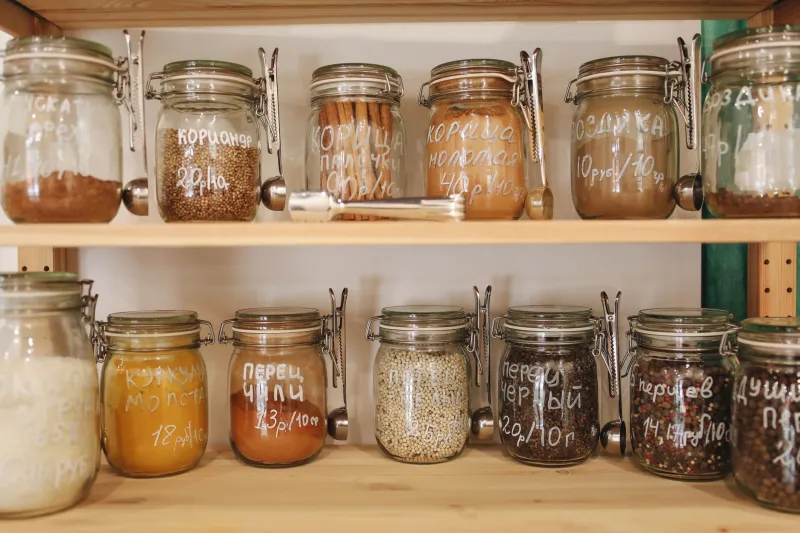
Spices and dry pantry goods are probably the most obvious win. Indian spices — turmeric, cumin, coriander, cardamom, mustard seeds — are produced domestically in India at a fraction of what US retailers charge. A family that cooks regularly can easily spend $150–$200 a year on spices alone at American grocery stores. Buying the same quality in bulk from an Indian wholesale source? That number can drop to under $40, including shipping.
Ayurvedic and herbal supplements are another major category. Products like ashwagandha, triphala, and neem-based supplements have exploded in popularity across the US, and American wellness brands have been happy to charge premium prices for them. The exact same formulations — often from the same Indian manufacturers — are available at wholesale prices on platforms like 1mg or through IndiaMART suppliers. Families spending $80–$100/month on supplements have reported cutting that bill by more than half.
Textiles and home linens are a sleeper category that deserves more attention. India is one of the world's largest cotton producers, and buying bedsheets, towels, or kitchen linens directly from Indian wholesale suppliers means you're skipping multiple layers of retail markup. A set of hotel-quality cotton bed sheets that retails for $120 at a US home goods store might cost $25–$35 sourced wholesale from India.
Personal care and beauty products round out the list. Handmade soaps, hair oils, skincare items rooted in traditional Indian formulations — these are having a serious moment in the US market, and buying them through wholesale channels rather than through American retailers or Amazon can cut per-unit costs dramatically.
The Logistics Breakdown (It's Less Complicated Than You Think)
Okay, here's where people usually check out — the shipping, customs, and coordination piece. Fair enough. International bulk ordering isn't as simple as clicking "Add to Cart" on Amazon. But it's also not the logistical nightmare most people imagine.
Here's the basic process:
-
Find a verified supplier. On IndiaMART, look for suppliers with a "Trust Seal" or high response rate. Read reviews, check how long they've been listed, and don't hesitate to ask for product samples before committing to a large order.
-
Negotiate directly. Unlike US retail platforms, Indian wholesale marketplaces expect some back-and-forth on price. Asking for a better rate on a larger order is completely normal and often results in meaningful discounts.
-
Understand minimum order quantities (MOQs). Most suppliers have a minimum order — sometimes it's 10 units, sometimes it's 100. For families, it can make sense to split orders with neighbors or friends to hit MOQs and share the savings.
-
Shipping and customs. For personal-use quantities, US customs duties are often minimal or waived entirely. Shipping costs vary — sea freight is cheaper for very large orders, while air freight is faster but pricier. Many suppliers have experience shipping to the US and can advise on the best option.
-
Payment. Most suppliers accept international wire transfers, and some accept PayPal or other platforms. Always use a method that offers buyer protection until you've built a relationship with a supplier.
What Does $2,000 in Annual Savings Actually Look Like?
That number sounds big, but it's not unrealistic for a family of four that commits to bulk buying across multiple categories. Here's a rough breakdown:
- Spices and pantry staples: Save ~$150/year
- Supplements and wellness products: Save ~$600/year
- Linens and home textiles: Save ~$400/year (buying 2–3 times a year in bulk)
- Personal care products: Save ~$300/year
- Miscellaneous household goods: Save ~$300/year
That's roughly $1,750–$2,000 in annual savings, and that's being conservative. Families who go deeper into the wholesale rabbit hole — buying for extended family, splitting orders with friends, or reselling a small portion to offset costs — report even higher numbers.
A Few Things to Keep in Mind
This isn't a plug-and-play solution for everyone. You need some patience for the initial setup, a willingness to research suppliers, and enough storage space to actually handle bulk quantities. It's also worth being realistic about which products are worth the effort — if you only use a spice once a year, buying it in bulk doesn't help anyone.
But for families who are already buying in bulk domestically, already spending heavily on supplements or specialty foods, or simply frustrated by how much American retail markup eats into their budget — Indian wholesale platforms represent a genuinely underused opportunity.
Costco will always have its place. But for the households willing to do a little homework, the real warehouse deal might be halfway around the world.